

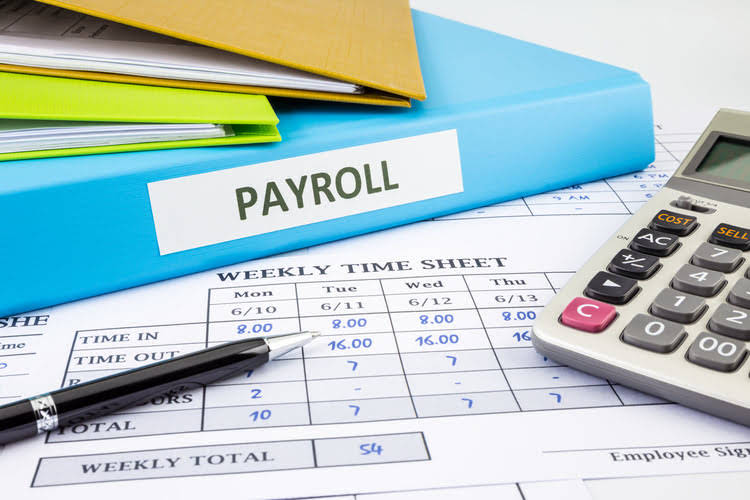
Most companies pay in arrears because it makes processing payroll much simpler. By waiting until work has been completed, it’s easier to calculate factors such as overtime and sick leave before issuing a paycheck. As you can see, paying employees a few days after the end of the pay period is a useful practice for employers because they get more time to calculate their employees’ hours worked more accurately. Paying employees after they’ve performed work is much easier to process, as it gives you time to consider these factors when processing payroll.
Turn your outstanding invoices into cash

By mismarking or forgetting to mark accounts payable, you could forget that you owe money. Each catch-up payment you send after the period it is due is a payment in arrears. If you have accrual accounting, you will mark received invoices from vendors as accounts payable—money that you owe but have not yet paid. Being in arrears is not inherently illegal; it merely indicates that a payment is overdue.
Small business payroll systems
Before issuing paychecks, accounting departments are able to factor in employee circumstances such as paid and unpaid time off, tips, commissions and overtime. Having the correct numbers to work with ends up saving businesses both time and money in the long run, since errors are less likely to occur. While it does include overdue and missed payments, it also encompasses paying a bill after a service has been rendered. Seeing “arrears” in a contract or agreement simply indicates that the payment will not be made in advance. No matter what is the method of your payment, it is imperative to balance your budget and finances. When you pay for goods or services once they have been received, it is known as paid in arrears.
Payment in advance
- It doesn’t go as far as to deem athletes employees of their institutions, but the implementation of revenue sharing may increase the chance of the athletes gaining employment status.
- It also simplifies the calculation of overtime for hourly workers, making it a practical choice for many businesses.
- The airline flies 40,000 passengers on 220 flights every day at this time of year.
- These payments are known as payment in arrears, occur at the end of the period, and are not classified as late.
- Most businesses prefer setting up a calendar to make the process smoother.
When a payment in arrears fails to go through by the payment due date, it becomes an overdue payment. Another instance in the finance sector is dividend in arrears, which is when a company delays paying its preferred shareholders the dividends they are owed. Per their legal agreement, preferred shareholders must be paid regardless of whether the company makes a profit or not. Arrears also applies to the financial industry in the case of annuity payments. An annuity is a transaction of equal amounts occurring at equal intervals over a certain period of time.
- Depending on your payroll schedule, whether it’s weekly, biweekly, monthly, and so forth, wages are scheduled after the payroll period.
- Failing to pay the full outstanding amount by the end of this period could lead to the termination of coverage.
- Any transition can be a little difficult for employees, especially when it comes to payroll.
- In its complaint, the FTC said Arise made misleading advertisements, claiming people who signed up on their platform could get jobs paying up to $18 per hour doing remote customer service work.
- Find out how GoCardless can help you with ad hoc payments or recurring payments.
- When you pay for goods and services after they’ve been received, they’re paid in arrears.
Simply put, it means to pay for goods or services after the terms have been met or the due date has passed. It’s not unusual to see paid in arrears pop up in small business accounting or payroll, and there are several other instances where you may find yourself interacting with this term. Simply put, paying vendors in arrears allows you to sell the products you purchase from them (or reap the benefits of a service they’ve provided) before you are required to make a payment.
What does “paid in arrears” mean in accounting?
The airline says the July cancellations will allow it to “protect as many services as possible”. The court had asked that there be no escalation of the dispute, but the current work-to-rule by Ialpa members remains in place. AI-powered legal analytics, workflow tools and premium legal & business news. The final settlement may not spell out exactly how colleges distribute revenue between athletes so it’ll be up to the colleges to ensure compliance with education regulations, Osborne said. Obligations under the statute’s general provisions about treatment and benefits are even less precise, said Joshua Hammack, who represents college athletes in Title IX cases for Bailey Glasser LLP. The central government is likely to announce the DA hike for the existing 7th Pay Commission employees in the first half of September, which will become effective retrospectively from July 1, 2024.

- When employees get paid this way, you know you are only paying for the hours they have actually worked.
- Arrears also applies to the financial industry in the case of annuity payments.
- Yes, other payroll deductions, such as child support payments, can be impacted by payment in arrears.
- This happens if the customer does not pay you during the time frame you request on the bill.
Being paid one week in arrears means that payment is due exactly one week after goods, services, or other work has been provided. Learn how to create professional-looking invoices to ensure customer loyalty and timely payments. Employees, on the other hand, may not always be in favor of this payment paid in arrears system. Sometimes they’ll need some time to adjust to being paid later than usual, especially if they’re used to a different payment schedule. To help you reduce the risks of billing in arrears, such as the risk of missing payments, or even prevent certain risks, we’ve listed some handy tips.

Falling behind these payments causes a financial strain on employees, creditors and suppliers. Paid in arrears and paid current are two common ways to pay employees. Businesses usually pay their workers based on a set schedule or pay period, consistent with being paid in arrears. Still, being paid current is also practiced, based on the type of company and industry.
Paid Current
Most businesses use arrears payments in order to make running payroll easier. The opposite of paying in arrears would be upfront or an advance payment before work is complete. Here, it refers to paying an employee for work that was completed in a previous pay period rather than the current period.