
Cultural insights into gambling understanding diverse perspectives and attitudes
The Historical Context of Gambling
The practice of gambling dates back thousands of years, rooted in various cultural and historical contexts. Ancient civilizations, such as the Egyptians and Romans, engaged in forms of gambling, often linked to religious and social rituals. The evolution of gambling reflects not only the cultural values of different societies but also the shifting attitudes toward risk and chance. In some cultures, gambling was seen as a way to honor the gods, while in others, it became a symbol of social status. Today, many people are curious about the ways to download 1xbet and participate in this historic activity.
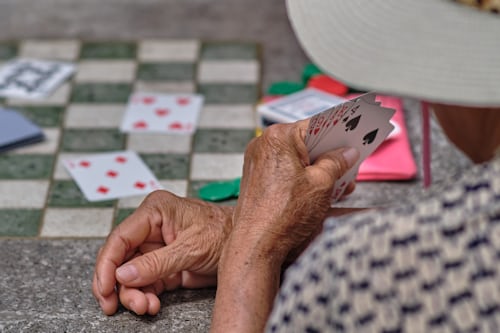
As societies progressed, the methods and purposes of gambling transformed significantly. From simple games of chance played with dice or primitive cards, gambling evolved into organized activities, including betting on sports and casino games. This historical evolution showcases how gambling has been interwoven with human behavior, shaping and reflecting social norms and economic conditions over time.
Cultural Attitudes Toward Gambling
Cultural perspectives on gambling vary widely, influencing both individual participation and societal acceptance. In some cultures, gambling is embraced as a legitimate form of entertainment, contributing to social gatherings and community events. Countries like Las Vegas and Macau epitomize this acceptance, thriving as entertainment hubs where gambling is celebrated.
Conversely, other societies view gambling with suspicion or outright condemnation, associating it with moral decay or social issues such as addiction. In these cultures, engaging in gambling may be stigmatized, affecting individuals’ willingness to participate and impacting local economies dependent on tourism and entertainment.
The Role of Gender in Gambling
Gender plays a significant role in gambling behaviors and perceptions across cultures. Traditionally, gambling has been viewed as a male-dominated activity, with men participating more frequently and publicly. However, contemporary trends show an increasing number of women engaging in gambling, both online and in physical settings, challenging previous stereotypes.
This shift highlights the evolving nature of gambling and its accessibility. Women’s involvement in gambling can also reflect broader societal changes, including increased financial independence and changing social norms. Understanding these dynamics is crucial for promoting responsible gambling and creating inclusive environments for all participants.
The Psychological Aspects of Gambling
The psychological motivations behind gambling can vary widely across different cultures. For some, gambling serves as an escape from daily life, providing excitement and an adrenaline rush. In cultures where economic opportunities are limited, gambling might be viewed as a potential means of financial relief or upward mobility.
However, the psychological implications can also lead to negative consequences. Gambling addiction is a significant issue that can affect individuals and communities. Understanding these psychological dimensions is essential for developing effective interventions and support systems to help individuals navigate their gambling behaviors responsibly.
Engaging with Diverse Perspectives
Understanding cultural insights into gambling requires an appreciation of diverse perspectives. Organizations and researchers are increasingly recognizing the importance of incorporating local customs and beliefs into their studies. Engaging with communities allows for a more nuanced understanding of gambling behaviors and attitudes.
Fostering dialogue around gambling can lead to better policy development and support for individuals affected by gambling-related issues. It is vital for stakeholders to create spaces for discussion, ensuring that the varied perspectives on gambling are respected and considered in future developments and interventions.