
The hidden costs of gambling uncovering its impact on mental health
The Psychological Toll of Gambling
Gambling can often appear as an innocent pastime, a form of entertainment that many indulge in. However, beneath this facade lies a troubling impact on mental health. Individuals may develop a compulsive desire to gamble, which can lead to significant stress, anxiety, and depression. The thrill of winning can quickly spiral into an obsession, overshadowing one’s ability to enjoy life outside of gambling. Engaging in activities like playing best online slots can sometimes amplify these experiences, making it harder to detach from the excitement.
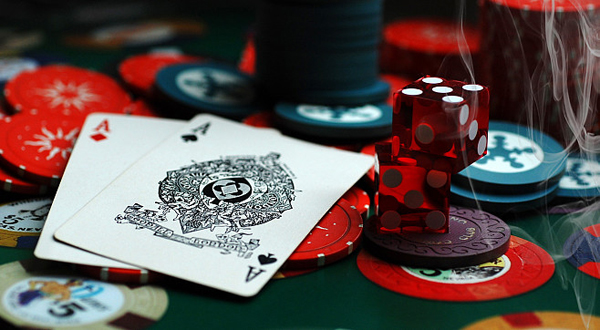
This psychological toll extends beyond just the individual, affecting relationships with family and friends. The need to chase losses or the fear of financial ruin can create feelings of isolation and despair. This emotional burden often leads to a cycle of gambling, where the individual seeks relief in temporary highs that only exacerbate their mental health struggles.
Understanding the Financial Impact
The financial implications of gambling can be staggering. What starts as a small investment can escalate into substantial losses, leading to financial instability. Many individuals find themselves in debt, struggling to pay bills, or even facing bankruptcy due to their gambling habits. These financial strains can further contribute to anxiety and depression, creating a vicious cycle.
Additionally, the pressure to recover losses can lead to irrational decision-making. Individuals may resort to borrowing money from friends or family, or even resort to illegal means to fund their gambling activities. This not only harms personal finances but can also damage crucial relationships, leaving individuals feeling trapped and ashamed.
The Role of Support Systems
Support systems play a vital role in mitigating the mental health effects of gambling. Friends and family can provide emotional support, encouraging individuals to seek help or find healthier coping mechanisms. However, often those closest to the individual may also suffer from the repercussions of gambling addiction, leading to a breakdown in communication and trust.
Therapeutic interventions, such as counseling or support groups, can also be effective in addressing the underlying issues linked to gambling. These resources offer a safe environment for individuals to share their experiences, fostering a sense of community and understanding. A strong support system is crucial for recovery, emphasizing the importance of reaching out for help when gambling becomes overwhelming.
Preventive Measures for Mental Health
Preventing the negative impacts of gambling on mental health requires a proactive approach. Education about the risks associated with gambling is essential. Understanding the signs of problem gambling can help individuals recognize when they or a loved one might be crossing into dangerous territory.
Moreover, implementing strict personal financial management strategies can serve as a buffer. Setting budgets, avoiding gambling when feeling stressed, and seeking alternatives for entertainment can help mitigate the risks. By focusing on healthier habits, individuals can significantly reduce the chances of gambling becoming a detrimental part of their lives.

Finding Balance in Gaming
For those who enjoy gaming but are concerned about the impacts of gambling, finding balance is crucial. A platform designed to help users manage their gaming profiles effectively can serve as a vital resource. By encouraging responsible gaming and providing access to helpful tools, individuals can enjoy their favorite pastime without falling into harmful habits.
Such platforms focus on ensuring security and accessibility, enabling users to navigate their gaming experiences safely. By prioritizing mental health and financial management, these resources aim to foster a healthier gaming community, encouraging responsible play while minimizing the hidden costs associated with gambling.