
Yadavindra Garden, PinjorePanchkula India
The garden was designed and built during the reign of Aurangzeb, with Nawab Fidai Khan, the governor of the region, overseeing its construction. Pinjore Garden, also known as Yadavindra Gardens, is a sprawling Mughal garden located in the town of Pinjore, in the Panchkula district of Haryana, India. Pinjore Gardens is a budget-friendly and flexible destination that can be visited by anyone and anytime. The garden also uses natural elements such as sunlight, shade, and breeze to create different effects and moods in different terraces. The design and layout of the garden take into account the climatic conditions, topography, and water availability of the region.
How to reach at Pinjore Garden Chandigarh
It’s a huge, quiet space where you can spend quite a bit of time simply enjoying the shade and the calm, making it a decent place for a long, cheap walk, despite its faded glory. Conceived with grand vision during the Mughal period and featuring numerous water features, the potential for splendor is obvious. Yadavindra Gardens in Pinjore is a bit of a historical heartbreak. Further down, the Jal Mahal (Palace of Water) sits uniquely submerged in a pool, surrounded by fountains, creating a cool, fortified oasis that perfectly balances structural strength with aesthetic pleasure. The highest terrace features the Shish Mahal (Palace of Glass) and Hawa Mahal, while the second hosts the arched Rang Mahal (Painted Palace).
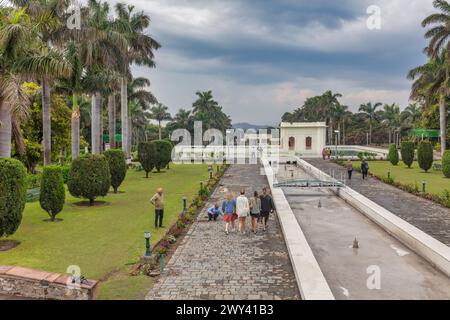
Welcome to Pinjore Gardens (Yadavindra Gardens)
The locals started believing that the water and air of Pinjore have got contaminated and they left the beautiful place to never come back. An interesting thing about the garden is that the garden was abandoned due to Goitre, a disease that is caused due to lack of Iodine intake. Situated in the foothills of the Himalayas the garden is home to rare species of flowers and plants. Yadavindra Garden was the ancient name of this beautiful garden of Poinjore. The garden remains open for all days of the week from 7 am to 10 pm. The place is popular not just for the garden but also for the annual Mango Mela.
Water features like canals, pools, and fountains enhance the visual appeal and create a refreshing atmosphere. This splendid garden served as a summer retreat for the royal family and a venue for grand festivities. Yadavindra Gardens Later, the garden saw significant expansion and renovation under the Sikh rulers of the Patiala dynasty, starting with Maharaja Amar Singh in the 18th century. The palaces within the complex boast intricate carvings, delicate latticework, and vibrant frescoes. The architectural style is a splendid blend of Mughal, Rajasthani, and Persian influences. In recent times, it has been renamed as ‘Yadavindra Garden’ in the memory of Maharaja Yadavindra Singh former of the princely state of Patiala.
Location Map for Yadavindra Gardens

Whether you’re wandering through the elegant pathways, taking in the vibrant floral displays, or simply relaxing in the serene environment, this beautiful garden offers a memorable experience for everyone. Yadavindra Gardens is a stunning destination that seamlessly blends history, nature, and culture. Yadavindra Gardens is a breathtaking landscape located in the charming town of Pinjore, Haryana, India. In latest times, it’s been renamed as Yadavindra Garden withinside the reminiscence of Maharaja Yadavindra Singh former of the princely kingdom of Patiala.
- It’s advisable to check the latest ticket prices and entry regulations before planning your visit.
- Today, Pinjore Garden stands as a symbol of India’s rich cultural heritage and a testament to the timeless beauty of Mughal architecture.
- Pinjore Garden is built in line with the Charbagh Pattern, which is a distinctive feature of Mughal architecture.
- The garden is now a heritage site, managed by the Haryana Tourism Department, and a popular tourist attraction.
- Also known as Yadavindra Gardens, this Mughal-style garden is famous for its stunning architecture, lush greenery, and vibrant cultural events.
The Zoo and Miniature Railway
Pinjore Garden isn’t just a visual delight—it’s also a vibrant cultural hub that hosts a variety of meals, events, and festivals throughout the year. The annual mango festival is an added attraction for visitors. This magnificent 17th-century Mughal-style garden is a captivating destination that blends history, horticulture, and recreation.
History of Pinjore Gardens: A Legacy of Mughal and Sikh Rulers
The garden is not just blessed with a vast expanse of flora but also houses within itself a Japanese-style garden, a splendid nursery, and spectacular picnic spots. It also serves as the host to various competitions, cultural performances, a vibrant bazaar, and a wide range of programs during that time. During the festival of Baisakhi, which falls between April and June, the garden comes alive with the annual Mango Festival. It is decorated by a central water channel interspersed with sprinkling fountains that flows in the middle of every level. The garden is known for its seven terraces that make the garden more appealing and add a touch of magic to it.